
Office and AI subscriptions cost more: what changed
Microsoft 365 business prices rose from 1 July 2026 and AI is now bundled into office suites. What changed, what it means at renewal, and how to respond.
Part of the guide: Replacing the vendor stack: office, HR, chat and cost

The short answer: two things have happened to office software since 2025. Prices went up: Microsoft raised the list prices of its commercial Microsoft 365 suites worldwide from 1 July 2026, and Google changed Workspace pricing in January 2025. And AI moved inside the bundle: Google folded Gemini into Workspace plans and stopped selling it as an add-on, while Microsoft sells Copilot for small businesses as a further US$21 per user each month. If your renewal falls after 1 July 2026, you will meet the new price then. The useful response is not to argue with one vendor but to decide, per employee, what they actually need.
What did Microsoft change in 2026?
On 4 December 2025 Microsoft announced new security and management features for its commercial Microsoft 365 suites, together with a price change. The announcement says: "The following list price changes will go into effect on July 1, 2026."
Microsoft's notice to its partners adds the detail that matters for planning: "Existing customers on commercial Microsoft 365 subscriptions impacted by the price increase will see the new prices at their next renewal after July 1, 2026." So a company that renewed in May 2026 kept the old price for its term, and one that renews in January 2027 will not.
Microsoft's own post shows the new prices in a chart that we could not read as text, so the figures below come from the trade publication Redmond Channel Partner, which reported these list prices per user per month:
| Plan | Before | From 1 July 2026 |
|---|---|---|
| Microsoft 365 Business Basic | US$6.00 | US$7.00 |
| Microsoft 365 Business Standard | US$12.50 | US$14.50 |
| Office 365 E3 | US$23.00 | US$26.00 |
| Microsoft 365 E3 | US$36.00 | US$42.00 |
| Microsoft 365 E5 | US$57.00 | US$65.00 |
Treat the table with two cautions. These are US dollar list prices, reported by the press before the change took effect, and the article notes that the changes apply globally with local market adjustments. We were not able to open Microsoft's India pricing page while writing this, so we are not quoting rupee prices. Ask your reseller for the rupee price on your own renewal date.
On Business Standard, the reported change is 16 per cent. For a 25-person company that is not ruinous. It is, however, a rise on something you already pay for, and it arrives automatically.
What does AI add to the bill?
For Microsoft's small-business customers, AI is a separate line. Microsoft 365 Copilot Business went on sale on 1 December 2025. The partner announcement gives the terms: "Price: 21.00 USD per user/month, for up to 300 users", and it requires a Business Basic, Standard or Premium licence underneath. Microsoft also lists bundles, such as Business Standard with Copilot Business at US$30.50 per user per month at list.
Put simply, adding the AI assistant to a Business Standard seat more than doubles the list price of that seat.
Google went the other way. In January 2025 its Workspace updates blog announced that AI was being included in the Business and Enterprise plans, with the words "we're no longer offering the Gemini for Workspace add-ons for sale" and "Updating pricing will take effect for new customers on January 16, 2025." The post gives no price amounts. So with Google you no longer choose whether to pay for AI. It is in the plan, and the plan's price changed.
The two approaches lead to the same place: AI is becoming part of what an office suite costs, whether or not every employee uses it.
Have regulators taken an interest?
In one case, yes, and it is worth describing accurately because it is often exaggerated.
On 27 October 2025 Australia's competition regulator, the ACCC, began court proceedings against Microsoft. It alleges that Microsoft misled about 2.7 million Australian customers when it added Copilot to its consumer plans and raised prices: subscribers were told to accept the more expensive plan or cancel, while a cheaper "Classic" plan without Copilot was shown only once they began to cancel. The annual price of the Personal plan rose 45 per cent, from A$109 to A$159.
Three points keep this in proportion. These are allegations, and we found no judgment. The ACCC states that the case "only relates to Microsoft 365 Personal and Family plans", which are for home use. And it is an Australian case. It does not establish anything about business plans or about India. What it does show is that bundling AI into a subscription and raising the price is a pattern regulators have noticed.
What should a company check before its next renewal?
Renewal is the one moment you have leverage and attention. Use it.
- Find the renewal date. If it falls after 1 July 2026, you are renewing at new list prices.
- Count seats against people. Licences for staff who left are the most common waste.
- Match plans to jobs. A person who only needs email and to read documents does not need the plan a finance analyst needs.
- Decide who needs AI, by name. Buy the AI add-on for the people who will use it daily, measure for a quarter, then widen it or stop.
- Ask where AI processing happens. A cheaper price is not the only term that changed. See where your AI is processed.
- Ask for next year's price in writing, not only this year's.
- Check how you would leave. Our guide to vendor lock-in lists the export questions.
For a worked example of what a small company's whole stack costs, see what a 25-person company pays for software, and for a comparison of the three main bundles, Microsoft 365 vs Google Workspace vs Zoho One.
Is there a way to pay for AI once instead of per user?
That depends on where the AI runs.
A cloud assistant is priced per user per month because each question costs the vendor computing time in a data centre. An assistant that runs on the employee's own computer has no such running cost for the vendor, so it does not need a meter. That is the commercial logic behind on-device AI, alongside the privacy one. We set out the trade-offs, including where cloud models are simply better, in on-device AI vs cloud AI.
Where does DNX OS fit?
DNX OS is our answer to this problem, so read this section as a vendor's view. It is a standalone operating system for businesses in which the office suite, mail, team chat, HR and the AI assistant are parts of the system instead of separate subscriptions. Nova, the assistant, runs on the PC's own processor, so there is no per-user AI fee.
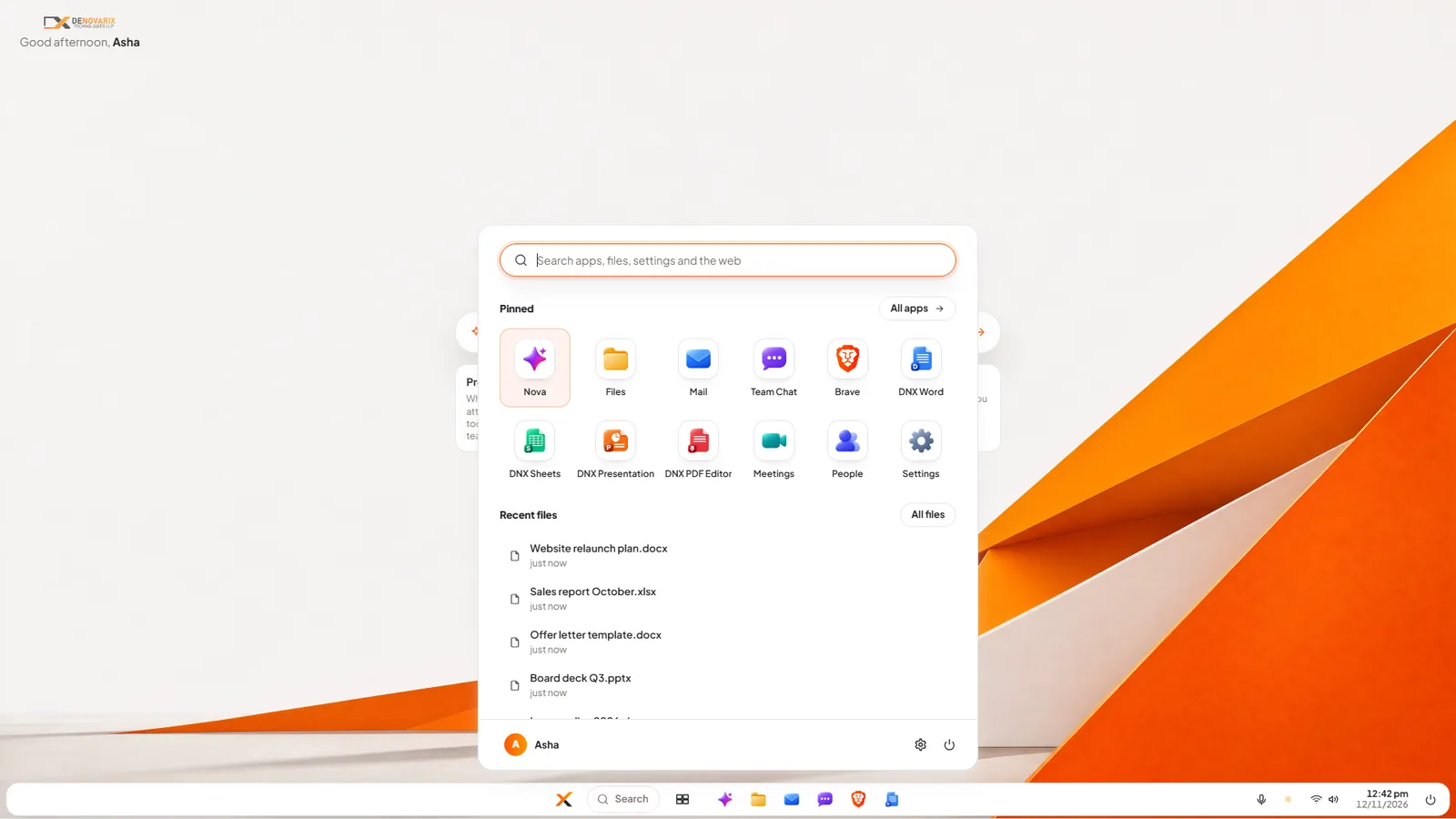
Three honest limits. DNX OS is not on sale yet: the beta programme opens in December 2026 and the launch is in January 2027. We have not published its price, so we are not claiming it is cheaper than anything. And an on-device assistant uses a smaller model than the big cloud ones. If you would like to test it against your real work, apply for the beta.
What is still uncertain?
- Rupee prices. We could not verify India list prices for Microsoft 365 or Zoho from an official page on the day of writing. Google's India pricing page loaded, but it showed plan names and offer dates we could not reconcile with its other pages, so we have left its figures out too.
- Whether prices will rise again. Nobody outside the vendors knows.
- The outcome of the Australian case.
Sources
All sources were opened on 12 November 2026.
- Microsoft 365 Blog, Advancing Microsoft 365: new capabilities and pricing update, 4 December 2025, updated 18 March 2026: the 1 July 2026 effective date.
- Microsoft Learn, Partner Center announcements, December 2025: renewal timing, Copilot Business price, user limit and bundles.
- Redmond Channel Partner, Microsoft 365 commercial subscription prices set to hike mid-2026, December 2025: the reported per-plan prices.
- Google Workspace Updates, Expanding Google AI to more of Google Workspace, 15 January 2025: Gemini included in plans, add-ons withdrawn, pricing date.
- ACCC, Microsoft in court for allegedly misleading millions of Australians over Microsoft 365 subscriptions, 27 October 2025.
Keep reading
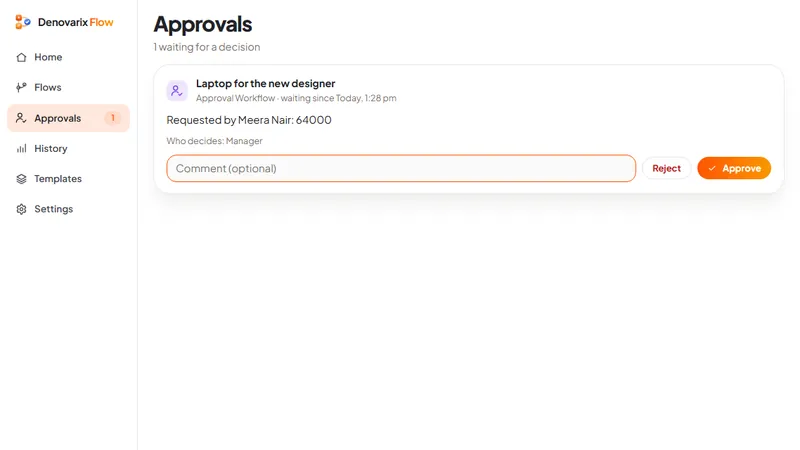
AI agents at work: why every action needs approval
AI agents can now click, type and send on your behalf. What the vendors and security bodies say about the risks in 2026, and the approval rules a company needs.
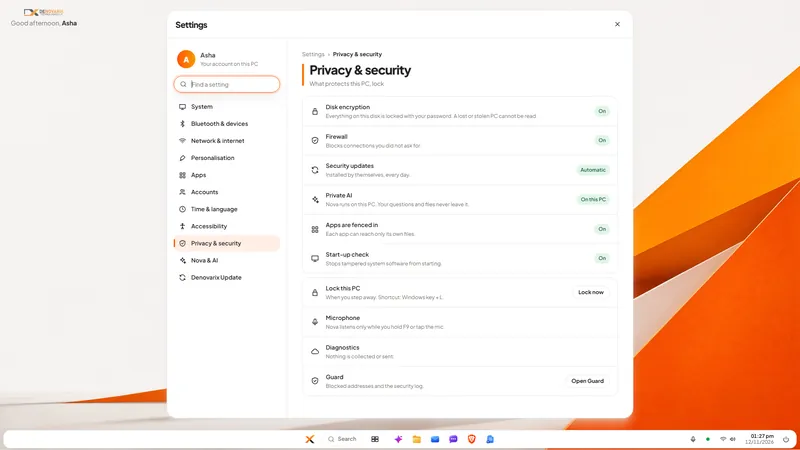
Where is your AI processed? Data residency in India
AI data residency in India in 2026: what the DPDP Rules require, what Microsoft and Google say about in-country AI processing, and what to ask your vendor.
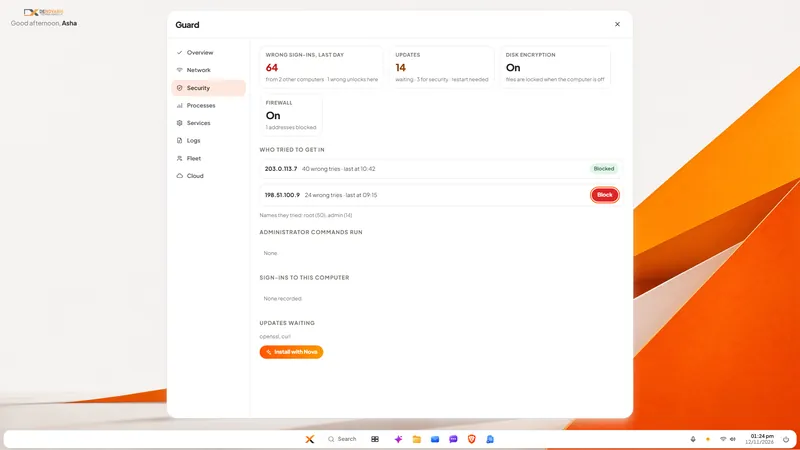
Passkeys, encryption, device management: the 2026 baseline
Passkeys, automatic disk encryption and device management are becoming standard in 2026. What changed, what Indian guidance says, and a small-company baseline.